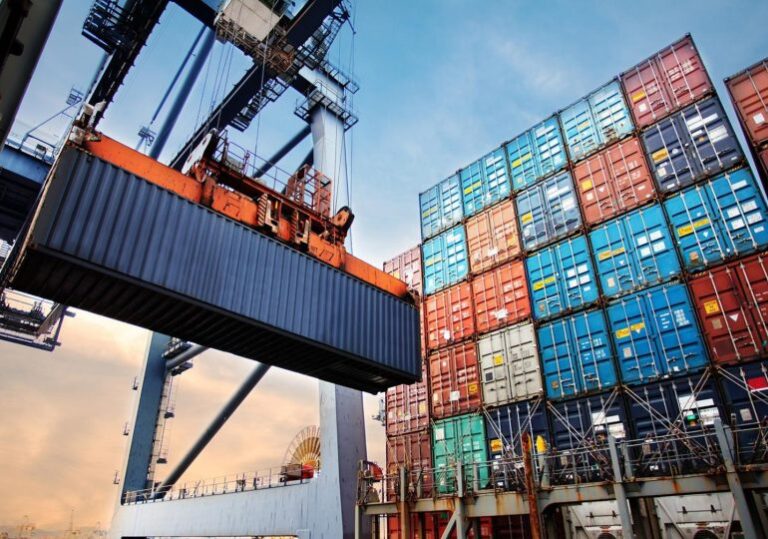

- The country produces more than 85% of the food it consumes. Undernourishment fell from 8.7% in 2019 to 3.6% in 2025.
The Dominican Republic reached a milestone in food security by being placed among the countries with a “zero hunger” level by the Food and Agriculture Organization of the United Nations (FAO).
The classification acknowledges that undernourishment is no longer a structural problem for the vast majority of the population.
The announcement comes in a global context in which hunger continues to affect between 608 and 696 million people and in which Africa, for the first time, overtakes Asia as the continent with the highest number of undernourished people.
FAO’s decision does not mean that hunger has disappeared in the country or that no one suffers from food deprivation. What it reflects is that the prevalence of chronic undernourishment fell below the threshold used by the agency to consider that a country has left the so-called “hunger map”.
This measurement is based on the proportion of people who, on a sustained basis, do not consume the minimum calories necessary to lead an active and healthy life.
This recognition is the result of a trend seen in recent years. According to data presented by the Dominican authorities and validated by FAO, the prevalence of undernourishment went from 8.7% of the population in 2019 to 3.6% in 2025, a reduction that placed the country below the regional average and put it on the path to international recognition.
FAO attributes such progress to comprehensive strategies rather than isolated measures. In the Dominican case, economic growth, the strengthening of agricultural production, the expansion of social protection programs and the increase in the purchasing power of large sectors of the population converged.
The Government also highlighted the expansion of the Economic Dining Rooms, the Food Program, the school lunch system, and the salary increases applied in recent years as factors that contributed to improving household access to food.
Local production
Another element pointed out by the authorities has been the country’s capacity to supply a large part of its domestic consumption with national production. More than 85% of the food consumed in the Dominican Republic is produced locally, reducing vulnerability to international trade disruptions and price shocks.
Recognition becomes more relevant when looking at the international panorama. The latest State of Food Security and Nutrition in the World (SOFI) report shows that although global hunger declined for the third year in a row, progress remains uneven.
Africa currently has the largest number of undernourished people on the planet, and the United Nations warns that hundreds of millions of people will continue to suffer from hunger at the end of the decade if public policies and international cooperation are not accelerated.
For the Dominican Republic, the challenge does not end with this recognition. The FAO itself has warned on previous occasions that progress can be reversed if policies to support the countryside, social protection or the capacity to respond to phenomena such as climate change and food inflation are weakened. The agency has also drawn attention to other nutritional challenges, such as the increase in obesity and overweight, which coexist with the reduction of hunger and constitute a new stage in food and public health policies.
The classification achieved therefore represents recognition of the progress made in food security, but also a commitment to preserve the conditions that made this progress possible and prevent the most vulnerable sectors from falling back into food insecurity.
85% is the country’s capacity to supply domestic consumption. The food consumed is locally produced.
Source: