
How does the Dominican legal framework impact the tourism sector? There is no doubt that, over the years, the legal regime established in the Dominican Republic has contributed to the development and growth of tourism. This has fostered trust, security, and interest for both local and foreign investment, resulting in notable success for the sector.
Among the legal pillars that encourage investment, both domestic and foreign, is Law No. 158-01 of 2001, amended by Law No. 195-13 of 2013. Its main objective is to promote the tourism sector throughout the entire national territory.
Dominican legislation has not only established a special regime for tourism by offering tax incentives but has also created a legal framework for territorial organization. In this regard, Law No. 368-22 of 2022 is noteworthy. Its purpose is land-use planning and territorial development in the Dominican Republic at various political-administrative levels. Its implementing regulation was enacted through Presidential Decree No. 396-25 on July 21, 2025.
This law and its regulation establish a regulatory framework for national land-use planning, which promotes the design and management of local governments in coordination with the Ministry of Tourism, to ensure the continuous development of tourism across the country.
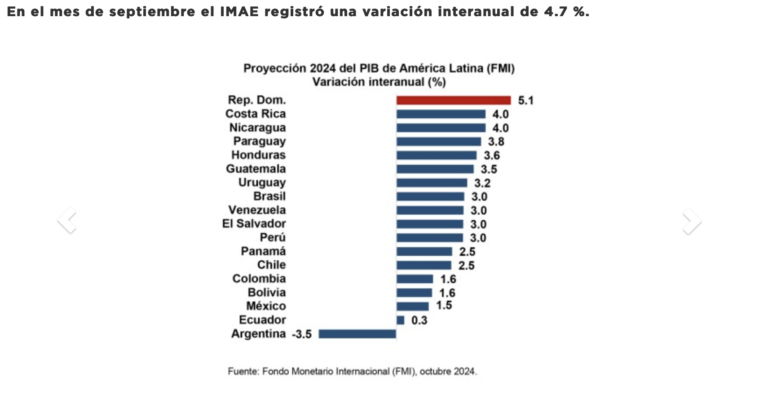
The Central Bank of the Dominican Republic (BCRD) recently reported a 15.3% increase in foreign direct investment during the first half of 2025, mainly driven by tourism.
This dynamism reflects the interest of companies and investment funds—especially Spanish and North American—in investing in the country, as well as the strong presence of global hotel chains such as Marriott, Hyatt, Hilton, and Intercontinental (IHG), among others.
This backing for the Dominican Republic is due to the existence of a consolidated democracy, the rule of law, institutional strengthening, and the legal security the country offers. The most recent constitutional reform and the enactment of a new Penal Code support this direction. The latter incorporates new criminal offenses adapted to social realities and the evolution of global technologies.
We believe it is necessary to create a working group led by the main public and private sectors to analyze the sector’s priority needs and consolidate a new phase of national tourism development. This development plan, with a minimum horizon of 10 years, should aim for sustainability in a highly competitive sector internationally, attract new market segments, and increase the average expenditure per tourist.
In this context, it will be essential to modify the Organic Law of Tourism—dating back to 1969—which, after 56 years, requires a profound update.
The Dominican legislation has not only established a special regime for tourism with tax incentives but has also created a legal framework for territorial organization. In this regard, Law No. 368-22 of 2022 is noteworthy.
There are challenges and opportunities ahead. Let’s get to work!
*Author: Enrique De Marchena Kaluche
Source: